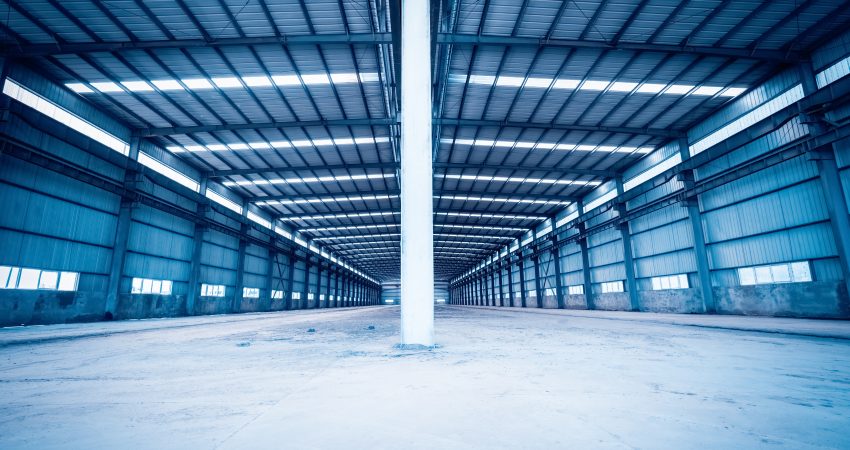
What are Pre-Engineered Buildings?
Pre Engineered Buildings (PEB) are buildings that are designed and fabricated off-site, then assembled on-site. This type of construction has gained immense popularity in recent years, especially for industrial warehouse construction and commercial applications. The concept primarily involves utilizing a steel structure to create a robust framework that is both durable and versatile.
Advantages of Pre Engineered Buildings
- Cost Effectiveness: PEB construction significantly reduces labor and material costs, as structures are built in a controlled environment.
- Speed of Construction: With components manufactured ahead of time, the assembly process is much quicker, allowing businesses to occupy their facilities sooner.
- Design Flexibility: These buildings can be customized to meet various operational needs, from high bays for warehouses to large open spaces for factories.
- Energy Efficiency: PEBs can be designed with insulation and energy-efficient doors and windows, resulting in lower operational costs.
- Durability: Constructed predominantly with steel, these buildings can withstand extreme weather conditions and require less maintenance.
Applications of Pre Engineered Buildings
Pre Engineered Buildings are ideal for various applications, including:
- Industrial Facilities: Factories, manufacturing plants, and processing units benefit from the rapid assembly and customizable layouts.
- Warehouses: Ideal for logistics and distribution centers, allowing efficient storage and handling of products.
- Commercial Buildings: Showrooms, retail spaces, and office buildings can be elegantly designed using PEB frameworks.
- Agricultural Structures: Barns, storage facilities, and other agricultural buildings can utilize PEB for efficiency and durability.
The Construction Process of Pre Engineered Buildings
The construction of a steel structure building using the PEB approach can be summarized in the following steps:
- Design: Architects and engineers develop detailed designs, considering load requirements and building codes.
- Manufacturing: Components such as steel columns, beams, and roof panels are fabricated in a factory.
- Transportation: Once manufactured, all parts are transported to the construction site.
- Assembly: At the site, a team of skilled workers assembles the building, typically within weeks rather than months.
Choosing the Right PEB Manufacturer
When it comes to selecting a manufacturer for your Pre Engineered Building, consider the following factors:
- Experience: Opt for manufacturers with a proven track record in the industry.
- Quality Assurance: Ensure the company follows stringent quality control measures during production.
- Customization Options: Choose a manufacturer that offers various customization options to meet your specific needs.
- Support and Service: A reliable manufacturer will provide comprehensive support throughout the planning and construction phases.
Conclusion
In conclusion, Pre Engineered Buildings are transforming the landscape of industrial warehouse construction and various sectors by offering a rapid, cost-effective, and adaptable solution for modern building needs. Their numerous advantages make them an excellent choice for industrial clients and warehouse owners looking to enhance their operations.
If you’re considering a PEB for your next project, contact us today for expert advice and tailored solutions that fit your requirements perfectly. Let us help you build the future of your business!