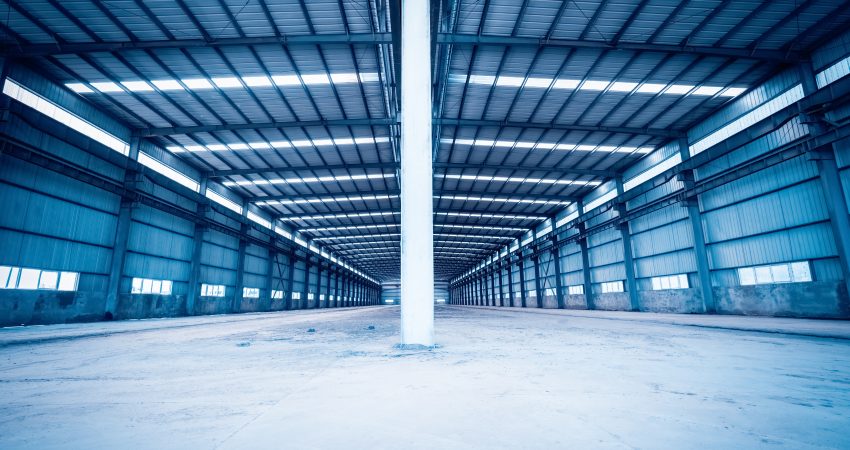
Introduction to Pre-Engineered Buildings
In today’s competitive industrial landscape, Pre Engineered Buildings (PEB) have emerged as a superior construction choice for many warehouse owners and factory developers. These buildings are primarily constructed using pre-fabricated structural steel components which are manufactured off-site and assembled at the location. This method brings numerous advantages such as reduced construction time, cost efficiency, and customizability.
What is Pre-Engineered Building (PEB) Construction?
PEB construction refers to an advanced building system that utilizes prefabricated steel components designed based on specific client requirements. These structures can range from industrial warehouses to commercial complexes and are engineered to offer flexibility, durability, and sustainability. The construction process involves the following stages:
- Design and Planning: Engineers and architects create a detailed blueprint.
- Manufacturing: Steel components are fabricated in a controlled environment.
- Transportation: Finished components are delivered to the construction site.
- Assembly: Workers assemble the pre-engineered components on-site.
Advantages of Pre-Engineered Buildings
Investing in Pre Engineered Buildings comes with substantial benefits, especially for industrial clients:
- Cost Efficiency: Due to the speed of construction and reduced labor costs, PEBs can lead to significant financial savings.
- Quick Installation: The off-site manufacturing of components allows for faster assembly on-site, minimizing downtime.
- Design Flexibility: PEBs can be easily customized to meet various industrial requirements, including specific dimensions and functionality.
- Durability: Constructed using high-quality steel, these buildings offer exceptional strength and longevity.
- Eco-friendly: Steel is recyclable and often sourced from sustainable materials, contributing to lower environmental impact.
Key Features of Steel Structure Buildings
Buildings constructed using steel structures possess distinct features that offer additional advantages:
- Resilience to Weather: Steel buildings can withstand harsh weather conditions, including heavy winds and snow loads, making them ideal for various climates.
- Space Efficiency: The use of steel allows for larger column-free spaces, maximizing usable interior space for the owner.
- User-Friendly Customizations: The flexibility of the design means that expansions or modifications can be done with relative ease compared to traditional buildings.
Applications of Pre-Engineered Buildings
Due to their versatility, PEB construction can be effectively utilized in various sectors, including:
- Industrial Warehousing: Ideal for storing goods, machinery, and supplies efficiently.
- Manufacturing Plants: Customizable areas for assembly lines and production processes.
- Retail Spaces: Spacious and visually appealing structures for retail businesses.
- Agricultural Facilities: Storage and processing facilities for agricultural products.
Conclusion and Call to Action
In conclusion, Pre Engineered Buildings represent a modern and efficient solution for industrial clients, offering numerous benefits in terms of cost, speed, and adaptability. Whether you are a warehouse owner looking to expand or a factory developer in need of a reliable structure, considering PEB construction could greatly enhance your project.
If you’re ready to invest in a steel structure building that meets your specific needs, contact us today for a consultation! Our team of experts is here to assist you in designing the perfect PEB for your operation.