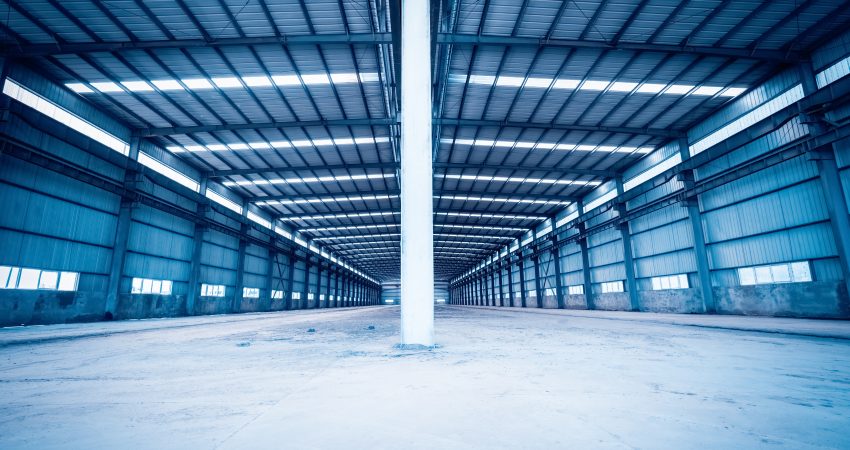
Introduction to Pre-Engineered Buildings
In the fast-evolving construction sector, Pre Engineered Buildings (PEBs) have emerged as an innovative solution that optimizes time, cost, and quality. These structures are designed and fabricated at a factory before being assembled on-site, ensuring efficiency and precision.
What are Pre-Engineered Buildings?
PEB construction involves creating steel structures that can serve various industrial purposes. They are made from pre-fabricated components, including beams, columns, and roof panels, which are all engineered to fit together seamlessly. This prefabrication process in a controlled environment leads to enhanced quality and reduced waste.
Benefits of Pre-Engineered Buildings
- Cost Efficiency: PEBs significantly lower construction costs due to reduced labor and material waste.
- Time-Saving: With construction occurring off-site, the assembly time is hastened, allowing for quicker project completion.
- Flexibility: The design is customizable to meet specific needs—be it a warehouse, factory, or storage facility.
- Durable and Sustainable: Made from high-quality steel, these structures exhibit high durability and can incorporate energy-efficient features.
- Reduced Maintenance Costs: Steel buildings are resistant to many common issues that plague other building materials, resulting in lower long-term maintenance costs.
Applications of Pre-Engineered Buildings
Pre-Engineered Buildings are versatile and are widely used in various applications, including:
- Industrial Warehouses: Ideal for storing inventory due to their spacious designs.
- Manufacturing Facilities: Suited for production lines, providing the necessary infrastructure.
- Retail Outlets: Efficient for large retail spaces needing adaptable layouts.
- Agriculture: Used for storage facilities and processing plants, ensuring durability against harsh environments.
Design Considerations for PEB Construction
When considering PEB construction, several design aspects should be taken into account:
- Load Requirements: Understanding the weight requirements is vital for structural integrity.
- Local Climate: The design must be tailored to withstand local weather conditions.
- Future Expansion: Planning for potential future growth can save costs and time after construction.
- Energy Efficiency: Incorporating sustainable materials can enhance energy savings and reduce the environmental footprint.
Conclusion
As industrial needs evolve, Steel structure buildings through Pre Engineered Buildings offer a forward-thinking approach to construction. They are not only cost-effective but also provide durability and flexibility, making them an optimal choice for industrial clients, warehouse owners, and factory developers.
When planning your next project, consider the numerous benefits of PEBs and how they can lead to substantial efficiencies. Investing in industrial warehouse construction with PEBs could be the smartest decision you make for your business’s future.
Call to Action
Contact us today to learn more about how Pre Engineered Buildings can transform your next industrial project. Let our experienced team guide you through the advantages of PEB construction and help you bring your vision to reality!